Exploring the intricate world of managing building envelope risks within architecture firms, this introduction sets the stage for a deep dive into a critical aspect of architectural projects.
Detailing the significance and challenges associated with building envelope risks, this introduction piques the reader's curiosity and prepares them for an enlightening discussion ahead.
Understanding Building Envelope Risks
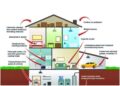
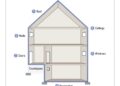
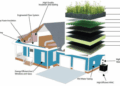
Building envelope risks refer to the potential threats or vulnerabilities associated with the exterior shell of a building. This includes elements such as walls, windows, doors, roofs, and foundation that protect the interior from external elements like weather, moisture, and pests.
Examples of Common Building Envelope Risks
- Poor insulation leading to energy loss and high utility bills
- Water infiltration causing mold growth and structural damage
- Air leaks compromising indoor air quality and HVAC efficiency
- Inadequate maintenance leading to premature deterioration of materials
Impact of Building Envelope Risks on Architectural Projects
Building envelope risks can have a significant impact on architectural projects by affecting the overall performance, durability, and sustainability of a building. They can lead to costly repairs, health hazards, and decreased energy efficiency if not addressed properly. Architects and designers must carefully assess and manage these risks to ensure the longevity and functionality of the structures they create.
Importance of Managing Building Envelope Risks
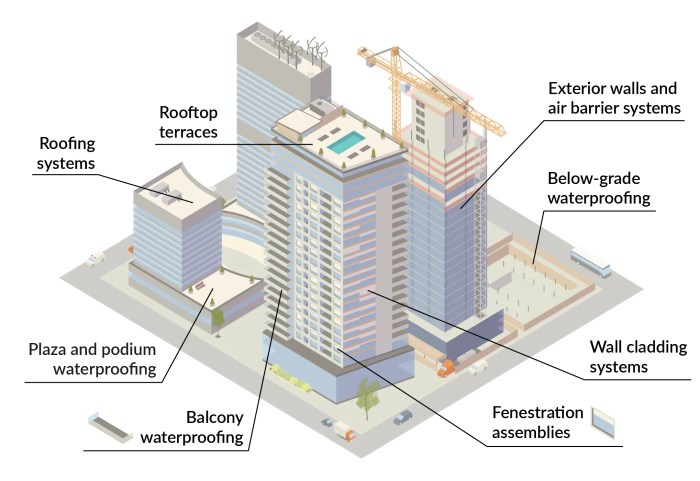
Building envelope risks play a critical role in the success of architectural projects. Failing to address these risks can lead to a range of issues that could impact the structural integrity, energy efficiency, and overall performance of a building.
Impact on Project Success
- Ensures Structural Integrity: Managing building envelope risks helps in maintaining the structural integrity of the building, preventing issues like water infiltration, air leakage, and thermal bridging.
- Enhances Energy Efficiency: By effectively managing envelope risks, architects can improve the energy efficiency of a building, reducing heating and cooling costs in the long run.
- Preserves Indoor Air Quality: Properly addressing building envelope risks can help in maintaining good indoor air quality by preventing moisture buildup and mold growth.
Benefits of Proactively Addressing Building Envelope Risks
- Cost Savings: Proactively managing building envelope risks can help in preventing costly repairs and replacements down the line.
- Improved Sustainability: By addressing these risks early on, architects can contribute to creating more sustainable buildings with reduced environmental impact.
- Enhanced Building Performance: A well-managed building envelope leads to better overall building performance in terms of comfort, durability, and longevity.
Strategies for Managing Building Envelope Risks
Building envelope risks pose significant challenges to architecture firms, but there are various strategies they can implement to effectively manage these risks.
Utilizing Building Information Modeling (BIM)
One key strategy used by architecture firms is the integration of Building Information Modeling (BIM) technology. BIM allows for the creation of detailed 3D models that provide a comprehensive view of the building envelope, helping identify potential risks early in the design process.
Regular Inspections and Maintenance
Another important strategy is conducting regular inspections and maintenance of the building envelope. By proactively monitoring the condition of the envelope, architecture firms can address any issues promptly, preventing them from escalating into major risks.
Collaboration with Building Envelope Consultants
Architecture firms often collaborate with building envelope consultants who specialize in risk management. These consultants provide valuable expertise in identifying vulnerabilities and recommending appropriate solutions to mitigate risks effectively.
Implementing Quality Control Measures
Implementing stringent quality control measures throughout the construction process is crucial in managing building envelope risks. This includes ensuring that materials are installed correctly and that construction practices adhere to industry standards.
Incorporating Sustainable Design Practices
By incorporating sustainable design practices, architecture firms can enhance the resilience of the building envelope against various risks, such as moisture intrusion and thermal bridging. Sustainable design features can help improve the overall performance and durability of the envelope.
Case Study: The Edge, Amsterdam
An excellent example of successful implementation of risk management strategies in architectural projects is The Edge in Amsterdam. This sustainable office building utilizes advanced technologies, such as smart sensors and energy-efficient materials, to optimize the building envelope's performance and minimize risks effectively.
Collaboration and Communication
Collaboration and communication play a crucial role in effectively managing building envelope risks. By bringing together architects, engineers, and contractors, a collaborative approach can help identify and address potential risks early on, ensuring the success of the project.
Importance of Collaboration
Effective collaboration between architects, engineers, and contractors is essential for a successful building envelope project. Each stakeholder brings a unique set of skills and expertise to the table, allowing for a comprehensive assessment of potential risks. By working together, they can develop innovative solutions to mitigate these risks and ensure the integrity of the building envelope.
- Architects: Architects are responsible for the design and aesthetic aspects of the building envelope. Their understanding of building codes and regulations, as well as their creative vision, is crucial in creating a functional and visually appealing envelope.
- Engineers: Engineers focus on the structural and technical aspects of the building envelope. Their expertise in materials, construction techniques, and building physics is vital in ensuring the envelope's durability and performance.
- Contractors: Contractors are responsible for the actual construction of the building envelope. Their knowledge of construction processes and on-site experience is invaluable in implementing the design and ensuring quality workmanship.
Effective Communication Strategies
Clear and open communication is key to identifying and addressing building envelope risks effectively. Regular meetings, progress reports, and documentation can help keep all stakeholders informed and involved throughout the project. By sharing information and updates in a timely manner, potential issues can be identified early and resolved before they escalate.
Effective communication can prevent misunderstandings, delays, and costly rework, ultimately leading to a successful building envelope project.
Tips for Fostering Collaboration
Creating a collaborative environment among project stakeholders requires intentional effort and communication. Here are some tips to foster collaboration:
- Establish clear project goals and expectations from the outset to align all stakeholders towards a common vision.
- Encourage open dialogue and active participation from all team members to leverage their expertise and insights.
- Assign roles and responsibilities clearly to avoid confusion and ensure accountability among stakeholders.
- Promote a culture of trust and respect within the team to facilitate constructive feedback and problem-solving.
- Celebrate achievements and milestones together to boost morale and strengthen team cohesion.
Last Recap
In conclusion, the management of building envelope risks is a multifaceted endeavor that requires collaboration, foresight, and strategic planning. This discussion has shed light on the complexities involved and the importance of proactive risk management in architectural projects.
General Inquiries
What are some common building envelope risks?
Common building envelope risks include water infiltration, air leakage, and thermal bridging, among others.
How can technology assist in managing building envelope risks effectively?
Technology such as building envelope analysis software can help in identifying vulnerabilities and optimizing solutions for risk mitigation.
Why is collaboration crucial in managing building envelope risks?
Collaboration ensures that diverse expertise comes together to address risks comprehensively, leading to more robust risk management strategies.