Delving into the realm of How Building Envelopes Affect Indoor Air Quality, readers are invited into a world where the impact of these structures on indoor air quality is explored in depth. This captivating journey promises to uncover the intricate relationship between building envelopes and the air we breathe indoors.
The Importance of Building Envelopes
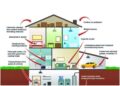
Building envelopes play a crucial role in regulating indoor air quality by acting as a barrier between the interior and exterior environments. They help control the flow of air, moisture, and heat, which directly impacts the health and comfort of occupants.
Key Components Impacting Indoor Air Quality
- Insulation: Proper insulation in building envelopes helps maintain consistent indoor temperatures, reducing the need for excessive heating or cooling that can introduce pollutants.
- Ventilation: Adequate ventilation systems in building envelopes ensure the circulation of fresh air and the removal of contaminants, improving indoor air quality.
- Air Barriers: Effective air barriers prevent the infiltration of outdoor pollutants and allergens, enhancing the overall indoor environment.
Significance of a Well-Designed Building Envelope
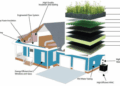
A well-designed building envelope is essential for maintaining a healthy indoor environment. It not only protects occupants from external elements but also ensures proper ventilation and insulation to minimize the risk of indoor air pollutants. By investing in a high-quality building envelope, property owners can create a safe and comfortable space for inhabitants.
Common Building Envelope Materials
When it comes to constructing building envelopes, various materials are used to create a barrier between the interior and exterior environments. The choice of material can significantly impact indoor air quality, ventilation, and overall comfort within a building.
Glass
Glass is a common material used in modern building envelopes due to its transparency and aesthetic appeal. However, glass can also impact indoor air quality by allowing heat gain or loss depending on the climate. In colder climates, single-pane glass can lead to heat loss, while in hotter climates, it can result in heat gain, affecting the energy efficiency of the building.
Proper insulation and shading solutions are essential when using glass in building envelopes to maintain indoor comfort levels and air quality.
Concrete
Concrete is another popular building material known for its durability and strength. While concrete is effective in providing thermal mass, it can also contribute to poor indoor air quality if not properly sealed or insulated. Concrete structures may trap moisture, leading to mold growth and air quality issues.
Adequate ventilation and moisture control measures are crucial when using concrete in building envelopes to prevent indoor air quality problems.
Wood
Wood is a versatile building material that can enhance indoor air quality when used appropriately. Wood has natural insulating properties and can help regulate humidity levels within a building. However, untreated wood is susceptible to moisture damage and decay, which can affect indoor air quality.
Proper maintenance and treatment of wood materials are necessary to ensure good indoor air quality and prevent issues like mold growth and air pollutants.
Metal
Metal is commonly used in building envelopes for its structural strength and durability. While metal is not a porous material and does not retain moisture like wood or concrete, it can impact indoor air quality through thermal conductivity. Metal structures can transfer heat or cold quickly, affecting the temperature and comfort levels indoors.
Proper insulation and ventilation strategies are essential when using metal in building envelopes to maintain indoor air quality and thermal comfort.
Thermal Performance and Air Tightness
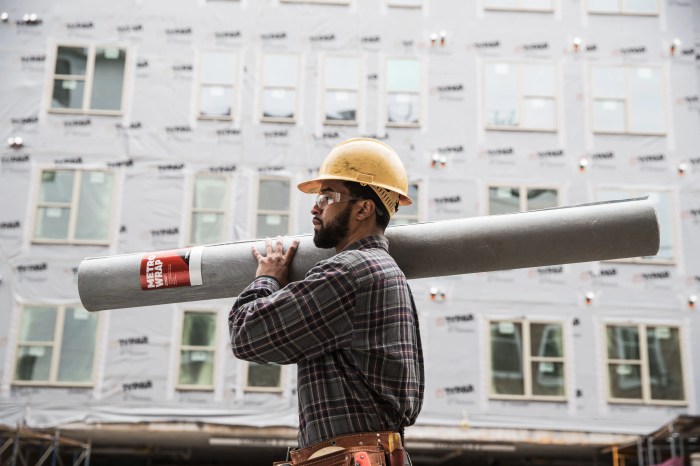
Thermal performance and air tightness of building envelopes play a crucial role in determining indoor air quality.
Importance of Maintaining a Balance Between Insulation and Ventilation
It is essential to strike a balance between insulation and ventilation to ensure optimal air quality indoors. Insufficient insulation can lead to energy loss and discomfort, while inadequate ventilation can result in poor indoor air quality
- Implementing proper insulation materials such as fiberglass, foam boards, or spray foam can help maintain thermal comfort inside the building.
- Utilizing mechanical ventilation systems like exhaust fans or air exchangers can ensure a constant supply of fresh air while controlling indoor humidity levels.
- Regular maintenance of HVAC systems and air filters is essential to prevent the buildup of pollutants and allergens indoors.
Strategies to Improve Air Tightness Without Compromising Ventilation
Improving air tightness in buildings is crucial for reducing energy consumption and enhancing indoor air quality. However, it is equally important to ensure proper ventilation to avoid trapping pollutants indoors.
- Sealing gaps and cracks around windows, doors, and other openings with weatherstripping or caulking can help improve air tightness.
- Installing energy-efficient windows and doors with proper seals can prevent air leakage while allowing for adequate ventilation.
- Utilizing air sealing techniques such as spray foam insulation or rigid foam sheathing can enhance the overall thermal performance of the building envelope.
Moisture Control and Mold Prevention
Moisture control and mold prevention are crucial aspects of building envelope design that directly impact indoor air quality. Building envelopes play a significant role in managing moisture levels within a structure, which can help prevent mold growth and maintain a healthy indoor environment.
Importance of Moisture Control
Effective moisture control in building envelopes is essential to prevent the accumulation of excess moisture, which can lead to mold growth and compromise indoor air quality. Poorly managed moisture can also result in structural damage, decreased energy efficiency, and potential health hazards for occupants.
- Proper insulation and air sealing: Insulation helps regulate temperature and reduce condensation, while air sealing prevents air leakage that can introduce moisture into the building envelope.
- Ventilation systems: Proper ventilation helps remove excess moisture from indoor spaces, reducing the risk of mold growth and ensuring good indoor air quality.
- Moisture barriers: Installing moisture barriers such as vapor barriers can help prevent moisture penetration from the exterior and interior of the building envelope.
Design Features for Moisture Control
Design features that aid in moisture control include proper grading and drainage systems to redirect water away from the building, effective waterproofing of foundations and roofs, and the use of moisture-resistant materials in construction. Additionally, incorporating overhangs, gutters, and downspouts can help prevent water infiltration and protect the building envelope from moisture-related issues.
Final Review
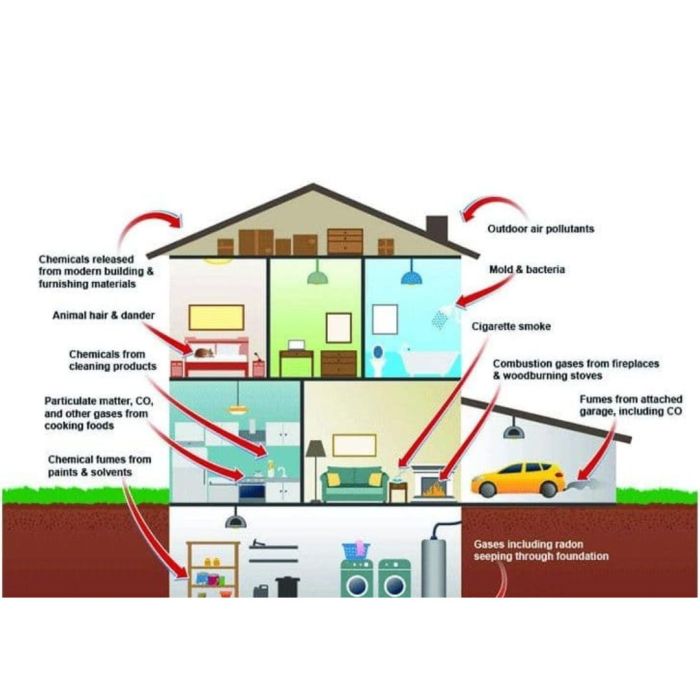
In conclusion, the discussion on How Building Envelopes Affect Indoor Air Quality sheds light on the crucial interplay between architectural design and indoor air quality. By understanding this dynamic relationship, we can strive towards creating healthier and more sustainable indoor environments.
Frequently Asked Questions
How does the thermal performance of building envelopes impact indoor air quality?
The thermal performance of building envelopes affects indoor air quality by influencing temperature regulation and energy efficiency within a building.
What are some examples of design features that help prevent moisture-related indoor air quality issues?
Design features such as proper drainage systems, vapor barriers, and adequate ventilation can help mitigate moisture-related problems in building envelopes.