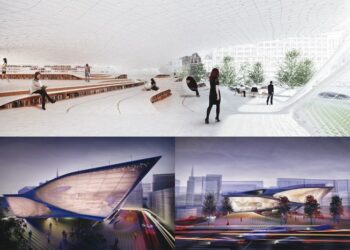
Embark on a journey through the innovative world of Alexander Brodsky’s Envelope Designs for Sustainability, where architecture meets eco-conscious principles in a harmonious blend of creativity and environmental awareness.
Delve into the unique realm where sustainable practices and architectural marvels converge, shaping a narrative that resonates with the essence of modern design and ecological responsibility.
Overview of Alexander Brodsky’s Envelope Designs
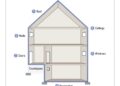
Envelope designs in architecture refer to the outer shell or skin of a building that acts as a barrier between the interior and exterior environment. This includes elements like walls, roofs, and facades that protect the building from external elements while also influencing its energy efficiency and aesthetics.
Alexander Brodsky is known for his innovative approach to envelope designs, where he integrates sustainability principles into his architectural creations. By incorporating sustainable materials, passive design strategies, and green technologies, Brodsky aims to minimize the environmental impact of his buildings while maximizing energy efficiency and occupant comfort.
Examples of Brodsky’s Envelope Designs showcasing Sustainability Principles
- Brodsky's "Paper Architecture" series features whimsical envelope designs made from recycled paper and cardboard, showcasing his commitment to sustainable materials and upcycling.
- In his project "House of Wood," Brodsky utilizes timber as the primary building material for the envelope, promoting the use of renewable resources and creating a warm, natural aesthetic.
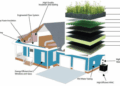
- The "Green Facade" of Brodsky's office building incorporates vertical gardens and plantings to reduce heat gain, improve air quality, and provide a visually appealing green space in an urban setting.
Materials and Techniques Used
In Alexander Brodsky's envelope designs for sustainability, he utilizes a variety of materials and innovative techniques to create environmentally friendly structures. By comparing traditional envelope designs with Brodsky's approach, we can see the significant impact of his choices on sustainability.
Materials Commonly Used
- Birch Plywood: Brodsky often uses birch plywood for its durability and sustainability. This material is renewable and has a low environmental impact compared to traditional building materials.
- Recycled Glass: Incorporating recycled glass into his designs, Brodsky reduces waste and promotes the reuse of materials, contributing to a more sustainable construction process.
- Natural Fibers: Brodsky also explores the use of natural fibers like hemp or jute in his envelope designs, which are biodegradable and have a lower carbon footprint compared to synthetic materials.
Innovative Techniques for Sustainability
- Passive Solar Design: Brodsky incorporates passive solar design principles to maximize natural light and heat in his structures, reducing the need for artificial lighting and heating.
- Rainwater Harvesting: By implementing rainwater harvesting systems in his envelope designs, Brodsky reduces water consumption and promotes water conservation.
- Living Walls: Brodsky integrates living walls or green facades into his designs to improve air quality, provide insulation, and enhance the aesthetic appeal of the structures.
Comparison with Traditional Envelope Designs
- Traditional envelope designs often rely on energy-intensive materials like concrete and steel, which have a significant environmental impact during production and construction.
- Brodsy's approach focuses on using sustainable materials and techniques that minimize the ecological footprint of the building process, leading to structures that are more environmentally friendly and energy-efficient.
- By prioritizing sustainability in his envelope designs, Brodsky sets a new standard for architectural practices and inspires others to adopt greener building strategies.
Integration of Nature and Environment
Alexander Brodsky seamlessly integrates nature and the environment into his envelope designs, creating a harmonious relationship between architecture and the surrounding landscape. By incorporating natural elements, Brodsky's designs not only blend with the environment but also contribute to sustainability and environmental conservation
Benefits of Incorporating Natural Elements
- Enhanced Aesthetics: Natural elements like greenery, water features, and natural light enhance the visual appeal of the architecture, creating a serene and inviting atmosphere.
- Improved Sustainability: By utilizing natural materials and elements, Brodsky's designs reduce the environmental impact of construction and promote sustainable practices.
- Better Indoor Environment: Integrating nature into architecture improves indoor air quality, reduces stress levels, and enhances overall well-being of the occupants.
Examples of Projects
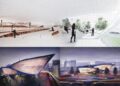
One notable project where Alexander Brodsky's designs harmonize with the surrounding environment is the Floating Forest Pavilion. This structure features a living green roof that blends seamlessly with the surrounding landscape, creating a sustainable and visually striking architectural piece. Another example is the Treehouse Pavilion, where the use of natural materials and a tree-inspired design integrates the building with the natural surroundings, promoting a sense of unity with nature.
Impact on Sustainable Architecture
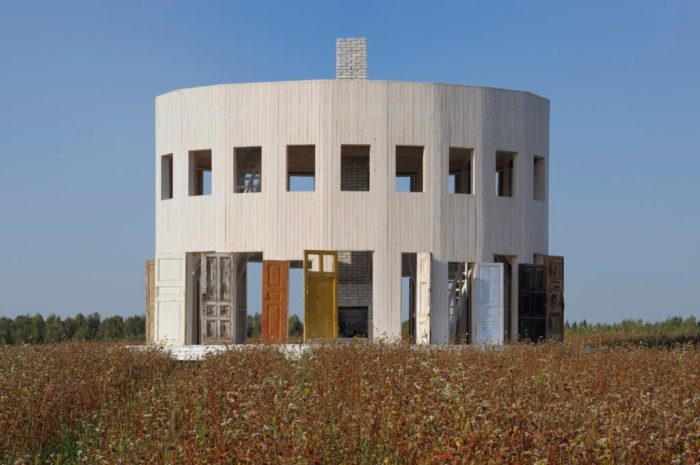
Alexander Brodsky's envelope designs have had a significant impact on the field of sustainable architecture, pushing boundaries and redefining traditional notions of sustainability within the built environment.
Influence on Architects
Brodsky's innovative approach to envelope design has inspired other architects to prioritize sustainability in their projects. By showcasing the integration of nature and environment within architectural elements, he has sparked a new wave of creativity and consciousness towards sustainable practices.
Long-Term Implications
- Architects are now more inclined to consider the environmental impact of their designs, leading to a shift towards more eco-friendly materials and construction techniques.
- Brodsky's emphasis on sustainability in envelope design has paved the way for a more harmonious relationship between architecture and nature, promoting a greener and healthier built environment.
- The integration of sustainable practices in architectural envelopes not only reduces carbon footprint but also contributes to the overall well-being of occupants, creating spaces that prioritize human and environmental health.
Final Conclusion
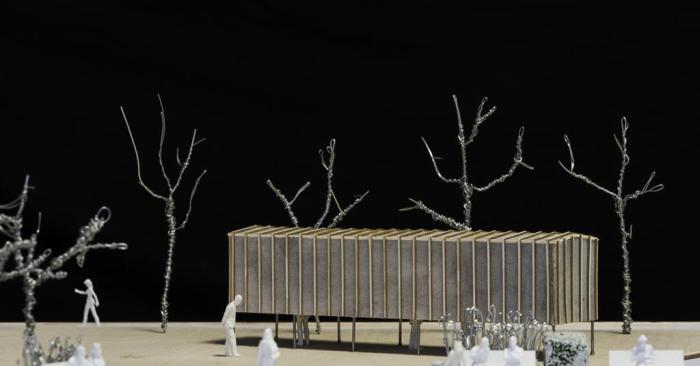
In conclusion, Alexander Brodsky’s envelope designs stand as a testament to the transformative power of sustainable architecture, inspiring a new wave of environmentally conscious creativity that promises a greener future for generations to come.
Question Bank
What sets Alexander Brodsky’s envelope designs apart from traditional architectural approaches?
Alexander Brodsky's envelope designs uniquely blend sustainability with artistic ingenuity, creating structures that not only stand out visually but also prioritize eco-friendly practices.
How does Alexander Brodsky integrate nature into his envelope designs?
Brodsky seamlessly incorporates natural elements into his designs, fostering a connection between architecture and the environment, resulting in sustainable structures that coexist harmoniously with nature.
What impact has Alexander Brodsky’s work had on the field of sustainable architecture?
Brodsy's designs have served as a catalyst for innovation in sustainable architecture, inspiring architects worldwide to rethink their approach and prioritize environmental consciousness in their projects.