Embark on a journey through the fascinating realm of Digital architecture and parametric design explained, where technological advancements are reshaping the landscape of architecture in unprecedented ways. From revolutionary digital tools to cutting-edge parametric design techniques, this topic delves into the intersection of creativity and technology, offering a glimpse into the future of architectural innovation.
As we explore the nuances of digital architecture and parametric design, we uncover a world where traditional boundaries are blurred, paving the way for groundbreaking architectural solutions that push the boundaries of imagination.
Digital Architecture
Digital architecture refers to the use of digital tools and technologies in the design, planning, and construction of buildings and structures. These tools include software programs for modeling, rendering, and simulation, as well as advanced technologies like parametric design and Building Information Modeling (BIM).
Transformation of Architecture
Digital tools have revolutionized the field of architecture by allowing architects to explore complex geometries, optimize building performance, and enhance communication with clients and stakeholders. Parametric design, for example, enables architects to create dynamic and responsive designs that adapt to various constraints and parameters.
- Parametric design software like Grasshopper for Rhino has been used in projects such as the Heydar Aliyev Center in Baku, Azerbaijan, designed by Zaha Hadid Architects. The fluid curves and organic forms of the building were made possible through parametric modeling.
- BIM technology has been instrumental in streamlining the design and construction process, improving collaboration between different disciplines, and reducing errors and conflicts in building projects.
Comparison with Traditional Architecture
Traditional architecture typically relies on manual drafting techniques and physical models for design development. In contrast, digital architecture allows for faster iteration, more accurate simulations, and greater design complexity. While traditional methods have their merits in certain contexts, digital tools offer architects a wider range of possibilities and efficiencies in the design process.
Parametric Design
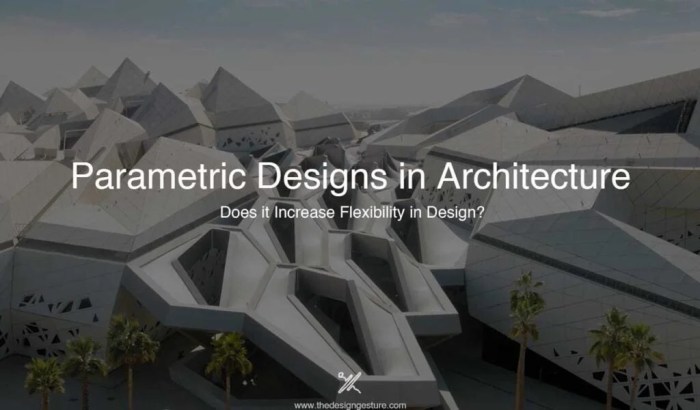
Parametric design in architecture involves using algorithms and mathematical rules to create and manipulate design elements. It allows architects to generate complex and unique forms that were previously difficult or impossible to achieve using traditional design methods.
Advantages of Parametric Design in Architecture
- Efficiency: Parametric design enables architects to quickly explore multiple design iterations and variations, saving time in the design process.
- Precision: The use of algorithms ensures accuracy in design development and execution, leading to more precise construction outcomes.
- Flexibility: Parametric design allows for easy modification of design parameters, accommodating changes and adaptations throughout the design process.
- Sustainability: By optimizing material use and minimizing waste, parametric design supports sustainable architectural practices.
Creativity and Innovation with Parametric Design
Parametric design unlocks new possibilities for creativity and innovation in architecture by pushing boundaries and challenging traditional design norms. Architects can experiment with complex geometries, organic forms, and dynamic structures that reflect a more contemporary and cutting-edge design aesthetic.
Software Tools for Parametric Design in Architecture
- Rhino/Grasshopper: A popular software combination used for creating parametric designs and complex geometries.
- Autodesk Revit: Integrates parametric design tools for architectural modeling and building information modeling (BIM).
- Generative Components: Enables architects to explore parametric design and create adaptive and responsive architectural solutions.
- Processing: A flexible software platform that architects can use for generative design and parametric modeling.
Integration of Digital Tools in Architectural Design
Digital tools have significantly transformed the landscape of architectural design, offering innovative solutions and enhancing the overall design process. Let's delve into how these tools are revolutionizing the field.
Building Information Modeling (BIM)
Building Information Modeling (BIM) has revolutionized architectural design by providing a comprehensive digital representation of a building's physical and functional characteristics. Architects, engineers, and construction professionals can collaborate in real-time, ensuring better coordination and efficiency throughout the project lifecycle.
Virtual Reality (VR) and Augmented Reality (AR) in Architectural Visualization
Virtual Reality (VR) and Augmented Reality (AR) play a crucial role in architectural visualization, allowing designers and clients to experience a space in a more immersive and interactive manner. These tools help in communicating design ideas effectively and making informed decisions based on realistic simulations.
Impact of Computational Design in Shaping Complex Architectural Forms
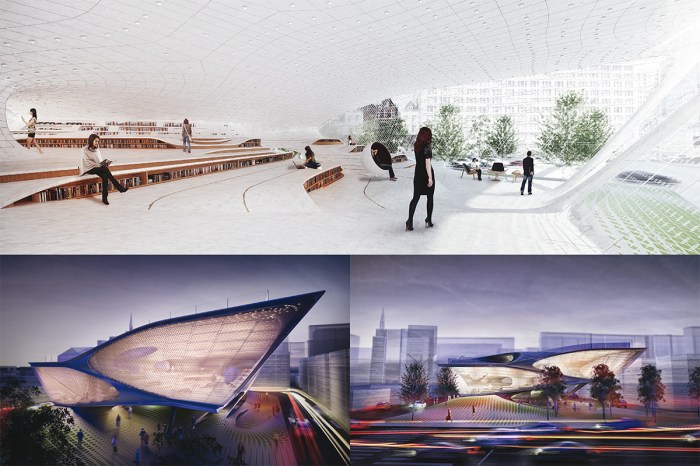
Computational design has opened up new possibilities in creating complex architectural forms that were once deemed unfeasible. By leveraging algorithms and parametric modeling techniques, architects can explore intricate geometries and optimize designs for performance and sustainability.
Successful Architectural Projects Achieved through Digital Tools Integration
- The Guggenheim Museum Bilbao designed by Frank Gehry showcases the successful integration of digital tools in achieving the iconic curvilinear form.
- The Heydar Aliyev Center in Baku, Azerbaijan, designed by Zaha Hadid Architects, exemplifies the use of parametric design tools to realize the sweeping architectural gestures.
- The CCTV Headquarters in Beijing, China, designed by Rem Koolhaas and Ole Scheeren, demonstrates the innovative application of digital tools in creating a structurally daring building.
Future Trends in Digital Architecture and Parametric Design
As technology continues to advance at a rapid pace, the future of digital architecture and parametric design is poised for exciting developments. Architects and designers are constantly exploring new ways to leverage digital tools to push the boundaries of creativity and innovation in the field of architecture.
Advancements in Technology
With the rapid advancements in technology such as artificial intelligence, machine learning, and virtual reality, the future of digital architecture is expected to revolutionize the way buildings are designed and constructed. These technologies will enable architects to create more complex and intricate designs that were previously unattainable.
Sustainability in Parametric Design
One of the key aspects of parametric design is its potential to enhance sustainability in architectural projects. By utilizing parametric tools, architects can optimize building designs to reduce energy consumption, minimize waste, and create more environmentally friendly structures. This focus on sustainability will continue to be a driving force in the future of digital architecture.
Challenges and Limitations
While the possibilities with digital architecture are vast, there are challenges and limitations to implementing these technologies on a larger scale. Issues such as data security, interoperability between software platforms, and the need for specialized training can pose obstacles to widespread adoption.
Architects and designers will need to address these challenges as they continue to embrace digital transformation in their profession.
Architects’ Adaptation to Digital Transformation
Architects are increasingly adapting to the digital transformation in their profession by learning new software tools, collaborating with experts in technology fields, and integrating digital processes into their design workflows. This shift towards digitalization is reshaping the way architects approach design, enabling them to explore new possibilities and stay at the forefront of innovation in the industry.
Final Conclusion
In conclusion, Digital architecture and parametric design explained illuminate the path towards a future where innovation knows no bounds. With a fusion of digital tools and parametric design principles, architects are poised to revolutionize the way we perceive and interact with the built environment, ushering in a new era of architectural excellence and ingenuity.
FAQ Corner
How does parametric design differ from traditional architectural design?
Parametric design allows for the creation of complex, mathematically-driven forms that are difficult to achieve through traditional methods, emphasizing flexibility and customization.
What role does Building Information Modeling (BIM) play in digital architecture?
BIM revolutionizes architectural design by providing a collaborative platform for creating and managing building information throughout the project lifecycle, enhancing efficiency and accuracy.
Which software tools are commonly used for parametric design in architecture?
Popular software tools for parametric design include Rhino3D, Grasshopper, and Dynamo, offering architects a versatile toolkit for exploring innovative design possibilities.