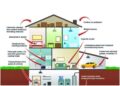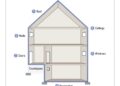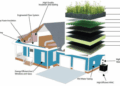
Embarking on the journey of Fine Homebuilding Envelope Tips for Beginners opens up a world of essential knowledge and practical insights for those venturing into the realm of home construction. From understanding the fundamental concept of a homebuilding envelope to delving into the nuances of insulation and air sealing, this guide promises a comprehensive exploration of key elements crucial for creating energy-efficient and structurally sound homes.
Fine Homebuilding Envelope Tips for Beginners
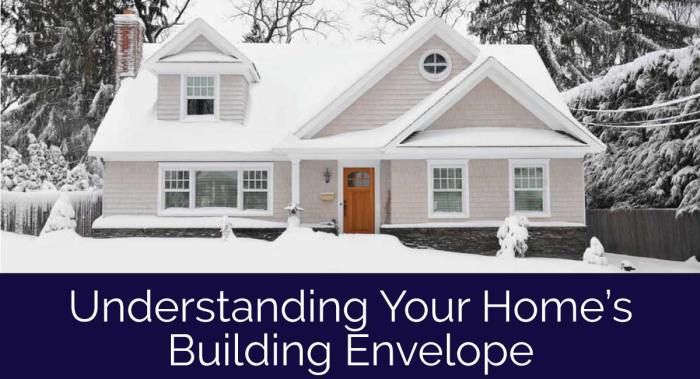
When it comes to home construction, the building envelope plays a crucial role in determining the energy efficiency and overall performance of a house. The envelope acts as a barrier between the interior and exterior environments, regulating heat flow, air infiltration, and moisture control.
Importance of a Well-Designed Envelope for Energy Efficiency
A well-designed envelope is essential for maintaining a comfortable indoor environment while minimizing energy consumption. By effectively sealing the home and insulating it properly, homeowners can reduce heating and cooling costs, improve indoor air quality, and enhance overall comfort.
Key Components of a Homebuilding Envelope
- Insulation: Helps regulate temperature and reduce energy loss.
- Air Barrier: Prevents air leakage and drafts.
- Vapor Barrier: Controls moisture levels to prevent mold and rot.
- Windows and Doors: Should be properly installed and sealed to minimize heat loss.
Common Mistakes Beginners Make When Working on the Envelope
- Improper insulation installation leading to thermal bridging.
- Inadequate air sealing causing drafts and energy loss.
- Missing or incorrectly installed vapor barriers leading to moisture issues.
- Poorly installed windows and doors compromising energy efficiency.
Understanding Insulation and Air Sealing
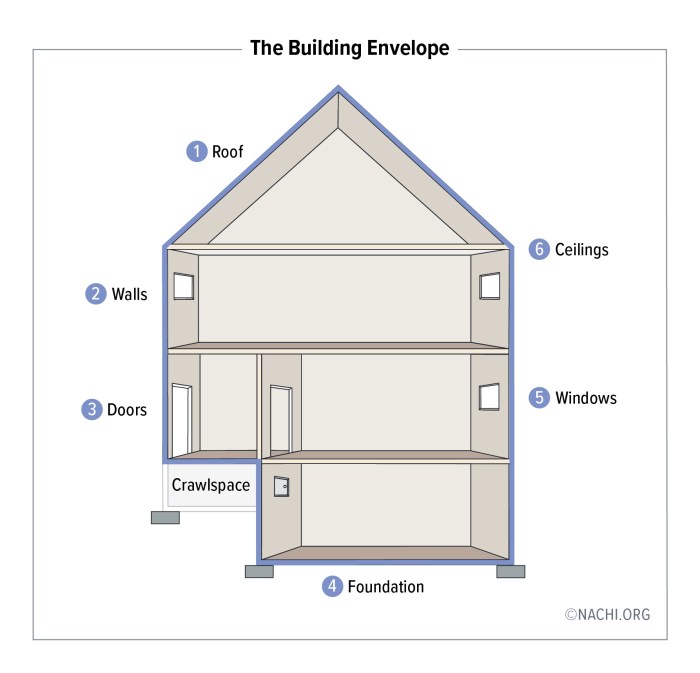
Insulation plays a crucial role in the homebuilding envelope by helping to regulate indoor temperatures, reduce energy consumption, and enhance overall comfort. Proper air sealing is equally important as it prevents air leaks, which can lead to energy waste and decreased indoor air quality.
Role of Insulation
Insulation acts as a thermal barrier, preventing heat transfer between the interior and exterior of a building. Common insulation materials include fiberglass, cellulose, foam board, and spray foam. Each material has its own benefits and drawbacks, so it's essential to choose the right type based on factors like R-value, moisture resistance, and installation requirements.
Importance of Air Sealing
Air sealing helps to eliminate drafts and prevent air leakage through gaps and cracks in the building envelope. This not only improves energy efficiency but also enhances indoor air quality by reducing the entry of pollutants and allergens. Effective air sealing techniques include caulking, weatherstripping, and using sealants to seal penetrations in walls, floors, and ceilings.
Types of Insulation Materials
- Fiberglass: Affordable and widely used, but can be itchy to handle.
- Cellulose: Made from recycled paper and treated with fire retardants, offering good thermal performance.
- Foam Board: Provides high R-value and moisture resistance, but can be more expensive.
- Spray Foam: Offers superior air sealing properties and high R-value, but requires professional installation.
Air Sealing Techniques
- Identify and seal gaps around windows, doors, and electrical outlets.
- Use weatherstripping to seal gaps in movable building components.
- Apply caulk or sealants to seal leaks in walls, floors, and ceilings.
- Consider using a blower door test to locate air leaks and prioritize sealing efforts.
Choosing the Right Materials
When it comes to creating a high-performance building envelope, selecting the right materials is crucial. The materials you choose will directly impact the overall efficiency, durability, and sustainability of your building.
Comparison of Envelope Materials
- Insulation: Materials like fiberglass, spray foam, and cellulose are commonly used for insulation. Each has its pros and cons, such as R-value, installation ease, and cost.
- Air Barriers: Options include materials like house wraps, foam boards, and spray foam. Consider factors like permeability, durability, and installation requirements.
- Vapor Retarders: Materials like polyethylene sheets or paints can act as vapor retarders. Understand the need for vapor control in your climate and choose accordingly.
Choosing Environmentally Friendly Materials
- Look for materials with recycled content or those that can be recycled at the end of their life cycle.
- Consider materials with low embodied energy and those sourced sustainably.
- Opt for products that have third-party certifications for environmental performance.
Balancing Cost and Quality
- Set a budget and prioritize materials that provide the best value in terms of performance and longevity.
- Compare the initial cost with long-term savings in energy bills and maintenance.
- Consult with professionals to find the right balance between cost-effective solutions and high-quality materials.
Installation Techniques and Best Practices
Installing insulation in the envelope is a crucial step in creating an energy-efficient and comfortable home. Proper installation techniques and best practices can make a significant difference in the performance of your building envelope. Here, we will discuss step-by-step instructions, common mistakes to avoid, tips for ensuring a tight envelope, and guidance on sealing and flashing techniques.
Step-by-Step Installation of Insulation
- Start by measuring the area to be insulated accurately to determine the amount of insulation needed.
- Choose the right type of insulation for the specific area, considering factors like R-value, moisture resistance, and ease of installation.
- Follow the manufacturer's instructions carefully for cutting and fitting the insulation to ensure a proper seal.
- Use appropriate safety gear such as gloves, goggles, and masks when handling insulation materials.
- Avoid compressing insulation material, as it reduces its effectiveness in preventing heat transfer.
Common Installation Mistakes to Avoid
- Avoid leaving gaps or voids in insulation, as they can lead to thermal bridging and energy loss.
- Ensure proper ventilation to prevent moisture buildup, which can reduce the insulation's effectiveness and lead to mold growth.
- Do not block soffit vents or other air circulation pathways with insulation, as it can affect the overall performance of your envelope.
- Avoid using mismatched insulation materials, as they can create inconsistencies in thermal performance.
Tips for Ensuring a Tight and Efficient Envelope
- Seal all gaps and cracks in the envelope with caulk or weatherstripping to prevent air leakage.
- Consider using spray foam insulation for hard-to-reach areas or irregularly shaped spaces for a more effective seal.
- Install a vapor barrier if needed to control moisture and prevent condensation within the insulation layers.
- Regularly inspect the insulation for signs of damage or wear and tear, and replace or repair as necessary.
Proper Sealing and Flashing Techniques
- Use flashing tape around windows, doors, and other openings to create a watertight seal and prevent water intrusion.
- Apply sealant around electrical outlets, pipes, and other penetrations in the envelope to maintain airtightness.
- Consider using self-adhering membranes for added protection against moisture and air infiltration in critical areas.
- Follow best practices for sealing seams and joints in insulation materials to create a continuous thermal barrier.
Closure
As we conclude our exploration of Fine Homebuilding Envelope Tips for Beginners, it becomes evident that mastering the art of constructing a well-designed envelope is a pivotal step towards achieving optimal energy efficiency and structural integrity in residential buildings. By adhering to best practices, avoiding common mistakes, and making informed material choices, beginners can embark on their homebuilding journey with confidence and vision.
FAQ Guide
How does the choice of materials impact the performance of the homebuilding envelope?
The choice of materials significantly influences the efficiency and durability of the envelope. Opting for high-quality, suitable materials can enhance insulation, air sealing, and overall performance.
What are some common mistakes beginners make when working on the homebuilding envelope?
Beginners often overlook proper insulation and air sealing techniques, leading to inefficiencies in the envelope. It's crucial to pay attention to these details for optimal results.
Why is proper air sealing important in the construction of a homebuilding envelope?
Effective air sealing prevents air leakage, enhances energy efficiency, and maintains indoor comfort levels. It plays a crucial role in ensuring the envelope's performance.
How can beginners balance cost and quality when selecting materials for the homebuilding envelope?
By researching cost-effective yet high-quality materials, beginners can strike a balance between affordability and performance. Consulting with experts can also provide valuable insights.