Delving into the realm of Lautner House Envelope Upgrades in Modern Times, this introduction beckons readers to explore a world where historical significance meets contemporary innovation. The fusion of past and present in architectural envelope upgrades is a captivating journey awaiting discovery.
Providing insights into the significance of envelope upgrades in modern architecture and the challenges architects encounter is paramount to understanding the evolution of historical structures in today's context.
Lautner House Envelope Upgrades Overview
The Lautner House, designed by renowned architect John Lautner, is a significant architectural masterpiece located in Los Angeles, California. Built in 1949, this iconic building showcases Lautner's innovative design principles and unique approach to modernist architecture.Envelope upgrades play a crucial role in modern architecture by enhancing the sustainability, energy efficiency, and overall performance of buildings.
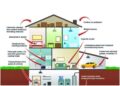
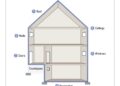
The envelope, which includes the external walls, roof, windows, and doors, acts as a barrier between the interior and exterior environment, regulating temperature, humidity, and light levels within the building.
Historical Significance of the Lautner House
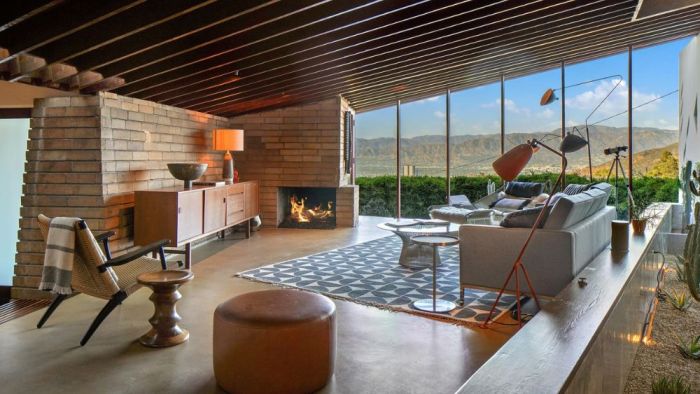
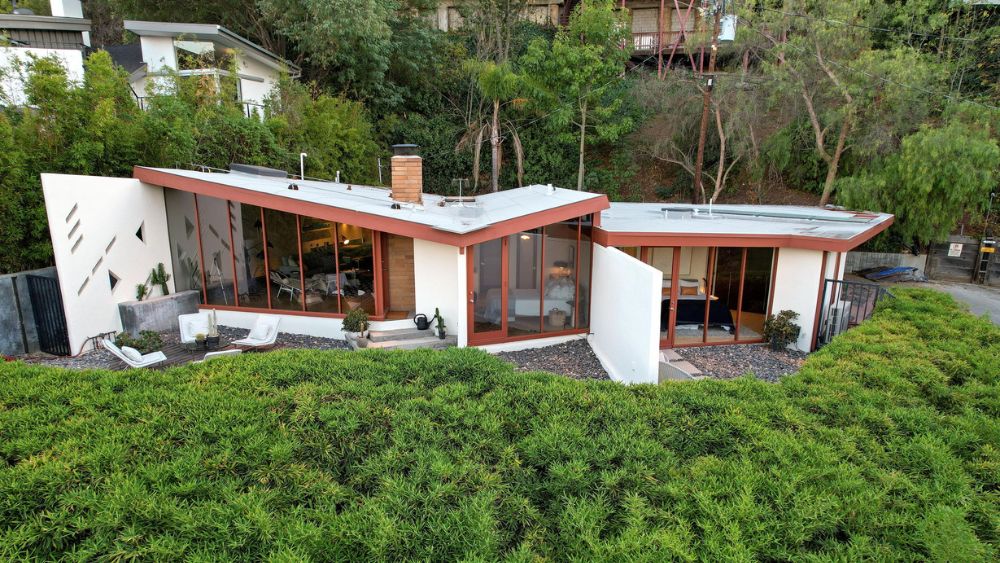
The Lautner House is a prime example of organic architecture, seamlessly blending with its natural surroundings through innovative use of materials and geometric forms. The building's envelope, characterized by expansive glass walls and cantilevered roofs, creates a harmonious connection between the interior living spaces and the outdoor environment.
Importance of Envelope Upgrades
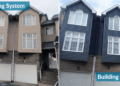
Envelope upgrades are essential in preserving historical buildings like the Lautner House while meeting modern energy efficiency standards. By improving insulation, upgrading windows, and optimizing ventilation systems, architects can enhance the comfort and sustainability of these architectural treasures without compromising their original design integrity.
Challenges of Upgrading Historical Envelopes
Architects face several challenges when upgrading historical envelopes, including the need to balance preservation with performance improvements. Maintaining the original aesthetics and architectural features while incorporating modern technologies and materials requires a delicate balance to ensure the historical significance of the building is preserved for future generations.
Envelope Upgrade Strategies
When it comes to upgrading the envelope of a building, there are several innovative strategies that can be implemented to improve energy efficiency and sustainability.
Comparing Traditional vs. Modern Materials
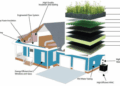
Traditional envelope materials like wood, brick, and concrete have been commonly used in construction for many years. However, modern sustainable options offer improved performance and environmental benefits. For example, using materials like insulated concrete forms (ICFs), structural insulated panels (SIPs), and green roofs can enhance the thermal performance of a building and reduce energy consumption.
Impact on Energy Efficiency and Sustainability
- Improved Insulation: Upgrading the envelope with high-performance insulation materials can significantly reduce heat loss and improve energy efficiency.
- Air Sealing: Proper air sealing of the envelope can minimize air leakage, preventing drafts and heat loss, which in turn reduces energy consumption.
- Daylighting Strategies: Incorporating daylighting strategies in envelope upgrades can reduce the need for artificial lighting, leading to energy savings and improved occupant comfort.
- Renewable Energy Integration: Upgraded envelopes can also facilitate the integration of renewable energy systems like solar panels, further enhancing sustainability and reducing reliance on conventional energy sources.
Preservation of Architectural Integrity
Preserving the architectural integrity of historical buildings while incorporating modern upgrades is a delicate balancing act that architects must carefully navigate. It is essential to respect the original design and maintain the historical significance of the structure while meeting current building standards and functionality requirements.
Techniques for Blending Old and New Elements
- Use of materials: Choosing materials that complement the existing structure while providing durability and sustainability.
- Integration of technology: Incorporating modern technologies in a way that enhances the building without detracting from its original character.
- Adaptive reuse: Repurposing existing elements in creative ways to serve new functions while preserving the historical aspects.
- Subtle alterations: Making changes that are reversible and do not compromise the overall design aesthetic.
Importance of Maintaining Architectural Integrity
- Preservation of history: Historical buildings serve as a link to the past and contribute to the cultural identity of a place.
- Aesthetic value: The architectural beauty of historical structures adds character and charm to a cityscape.
- Educational purposes: Studying historical architecture provides insights into past construction techniques and design philosophies.
- Economic benefits: Well-preserved historical buildings can attract tourism and contribute to the local economy.
Technological Advancements in Envelope Upgrades
With the rapid advancements in technology, building envelope upgrades have seen significant improvements in modern times. These innovations have revolutionized the way we approach enhancing the performance and sustainability of building envelopes.
Smart Materials and Technologies
Smart materials play a crucial role in enhancing building envelopes by providing dynamic responses to environmental conditions. These materials can adapt to changes in temperature, humidity, and light, improving energy efficiency and occupant comfort. For instance, the use of phase-change materials can help regulate indoor temperatures by storing and releasing heat as needed.
Digital Tools for Planning and Execution
- Building Information Modeling (BIM): BIM software allows for detailed 3D modeling of building envelopes, enabling architects and engineers to visualize and simulate different design options before construction. This helps in optimizing the performance and aesthetics of the envelope.
- Energy Modeling Software: Energy modeling tools analyze the thermal performance of building envelopes, helping in the selection of materials and systems that enhance energy efficiency. These simulations can predict energy consumption and guide decision-making for envelope upgrades.
- Remote Monitoring Systems: Smart sensors and IoT devices can be integrated into building envelopes to monitor performance metrics in real-time. This data can be used to identify areas for improvement, track energy usage, and ensure the long-term sustainability of the envelope.
Conclusion
In conclusion, the discussion surrounding Lautner House Envelope Upgrades in Modern Times unveils a tapestry of architectural evolution, where preservation meets progress. The delicate balance between honoring the past and embracing the future resonates through each upgrade, showcasing a harmonious blend of tradition and innovation.
Key Questions Answered
How do envelope upgrades contribute to energy efficiency?
Envelope upgrades improve insulation and reduce air leakage, leading to enhanced energy efficiency in buildings.
What are some examples of innovative envelope upgrade strategies?
Innovative strategies include the use of smart materials, advanced insulation techniques, and sustainable building envelope solutions.
How do architects maintain the historical integrity of buildings during envelope upgrades?
Architects employ techniques like adaptive reuse and careful restoration to blend old and new elements seamlessly, preserving the architectural heritage.