Embark on a fascinating exploration of Unity Temple’s Envelope Maintenance Over the Years, where the past meets the present in a seamless blend of historical significance and architectural marvel. This journey promises to unveil the secrets behind the preservation efforts of this iconic building, offering insights that captivate and educate in equal measure.
Delve into the evolution of maintenance practices, challenges faced, and the enduring impact of preservation initiatives on Unity Temple and its surrounding community.
Overview of Unity Temple
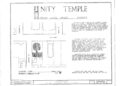
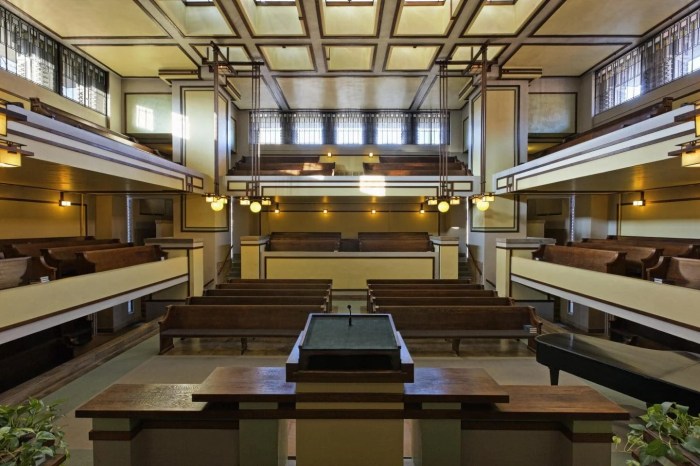
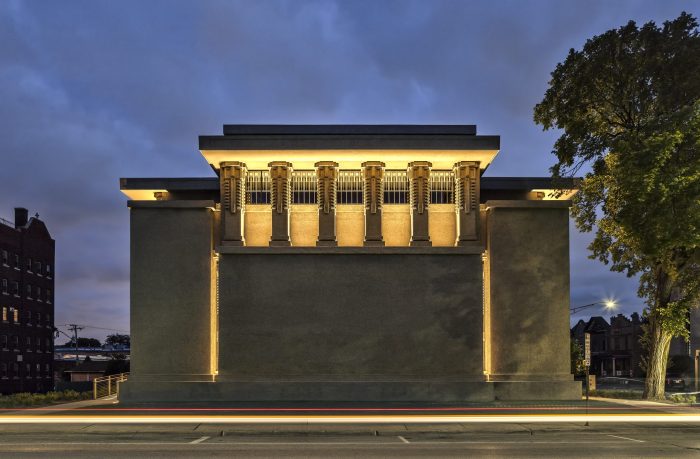
Unity Temple, located in Oak Park, Illinois, is a historic church designed by renowned architect Frank Lloyd Wright. Built between 1905 and 1908, the temple is considered one of Wright's most important works and a significant example of modern architecture.The architectural features of Unity Temple are groundbreaking for its time, with its use of reinforced concrete, natural lighting, and open interior spaces.
The building's design reflects Wright's philosophy of organic architecture, where form follows function and the structure harmonizes with its surroundings.Maintenance plays a crucial role in preserving historical buildings like Unity Temple. Regular upkeep and restoration work are necessary to ensure the longevity and structural integrity of the building.
By maintaining historical structures, we can continue to appreciate and learn from the architectural achievements of the past.
Envelope Maintenance
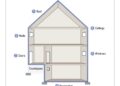
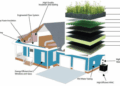
Envelop maintenance refers to the upkeep and care of a building's exterior shell, which includes the roof, walls, windows, and doors. It is crucial for preserving the structural integrity, energy efficiency, and overall appearance of a building over time.Factors affecting the envelope of a building:
Factors Affecting Envelope Maintenance
- Weather conditions: Exposure to harsh weather elements such as rain, snow, wind, and sunlight can cause wear and tear on the envelope of a building.
- Age of the building: Older buildings may have deteriorated materials that require more frequent maintenance to prevent further damage.
- Design and construction quality: The initial design and construction of the building can impact the longevity of its envelope. Poor craftsmanship or outdated materials may lead to quicker deterioration.
Techniques used for maintaining the envelope of historical buildings:
Maintenance Techniques for Historical Buildings
- Regular inspections: Periodic assessments of the building envelope can help identify any issues early on and prevent major damage.
- Restoration and repair: Historical buildings may require specialized restoration techniques to preserve their original design while addressing structural issues.
- Weatherproofing: Applying weatherproof coatings and sealants can help protect the envelope from moisture damage and prolong its lifespan.
- Replacement of damaged components: When necessary, damaged or deteriorated components of the envelope should be replaced with materials that match the original design to maintain the historical integrity of the building.
Unity Temple’s Envelope Maintenance Practices
Unity Temple has a long history of implementing various maintenance practices to ensure the integrity and longevity of its envelope structure. Over the years, these techniques have evolved to meet the changing needs and challenges faced by this iconic building.
Historical Maintenance Practices at Unity Temple
Throughout its history, Unity Temple has employed a range of maintenance practices to preserve its envelope. This includes routine inspections, cleaning, and repairs to address any wear and tear that may occur over time.
Evolution of Maintenance Techniques Over the Years
As technology and building materials have advanced, so too have the maintenance techniques used at Unity Temple. Modern methods such as advanced waterproofing systems, energy-efficient upgrades, and sustainable materials have been integrated to enhance the building's envelope performance
Challenges Faced in Maintaining Unity Temple’s Envelope
Maintaining Unity Temple's envelope presents unique challenges due to its historic significance and architectural complexity. Balancing preservation with modernization, finding skilled craftsmen to work on the building, and managing costs are just a few of the challenges faced in ensuring the long-term sustainability of Unity Temple.
Preservation Efforts
Preserving historical buildings like Unity Temple is crucial to maintaining our cultural heritage and architectural legacy for future generations.
Significance of Preserving Historical Buildings
- Historical buildings like Unity Temple serve as tangible links to our past, showcasing architectural styles, craftsmanship, and cultural significance.
- Preservation efforts help retain the unique character and charm of historical buildings, contributing to the sense of place and identity in the community.
- By preserving these buildings, we ensure that future generations can learn from and appreciate the rich history and stories embedded in these architectural gems.
Partnerships and Collaborations for Preservation Efforts
- Unity Temple's preservation efforts are often made possible through partnerships with local historical societies, preservation organizations, and government agencies.
- Collaborations with architectural experts, historians, and conservationists help guide restoration projects and ensure that the building's integrity and authenticity are maintained.
- Engaging the community through educational programs, fundraising events, and volunteer opportunities fosters a sense of ownership and pride in preserving Unity Temple.
Impact of Preservation Initiatives on the Community
- Preservation initiatives not only protect the physical structure of Unity Temple but also stimulate economic growth through heritage tourism and increased property values in the surrounding area.
- By preserving historical buildings, we promote sustainability and environmental conservation by reducing the need for new construction and minimizing waste.
- The restoration of Unity Temple serves as a catalyst for community revitalization, attracting visitors, businesses, and residents to the area, creating a vibrant and culturally enriched neighborhood.
Outcome Summary
In conclusion, the story of Unity Temple’s Envelope Maintenance Over the Years is a testament to the dedication and vision required to safeguard our historical treasures. As we reflect on the significance of preserving such architectural gems, it becomes clear that the legacy of Unity Temple will continue to inspire generations to come.
FAQ Corner
What are the key factors affecting the envelope of a historical building?
The key factors include weather exposure, material deterioration, and structural integrity.
How have maintenance techniques at Unity Temple evolved over the years?
Maintenance techniques have evolved to incorporate modern technologies while preserving the building's historical integrity.
Why is it important to collaborate for preservation efforts?
Collaborations allow for shared resources, expertise, and funding, ensuring more effective preservation outcomes.